

gutter-installation8789
gutter-installation8789
See What Gutter Replacement Tricks The Celebs Are Utilizing
Gutter Replacement: Why, When, and How to Do It
Gutters play an important role in the integrity of a home’s outside, directing water away from the roof, walls, and foundation. However, just like any part of a house, gutters can wear out with time, resulting in the necessity for replacement. This post intends to supply homeowners with detailed details relating to gutter replacement, consisting of indications of wear, different types of gutters offered, replacement treatments, and FAQs to help make notified decisions.
Comprehending Gutters and Their Importance
What are Gutters?
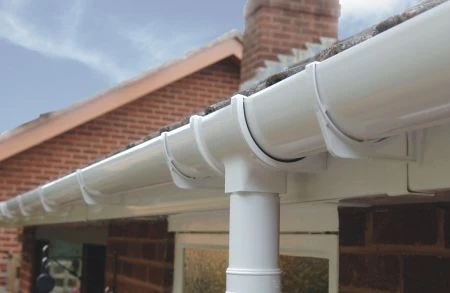
Gutters are narrow channels that run along the edge of the roof. They gather and direct rainwater away from your house to avoid water damage. Effectively operating gutters help to:
- Prevent basement flooding
- Safeguard siding and windows
- Maintain landscaping
- Avoid mold growth
Why is Gutter Replacement Necessary?
Gutters can struggle with numerous issues gradually due to direct exposure to the components. Their products can corrode, clog, or even break due to serious weather. Routine inspections can assist to recognize when they need to be fixed or replaced.
Signs You Need Gutter Replacement
Determining the signs that show it’s time to replace your gutters is vital. Here are some typical signs:
Visible Damage
- Fractures and Holes: Look for noticeable fractures or holes that might trigger leaks.
- Rust or Corrosion: This is particularly common in metal gutters.
- Separation from the House: Gutters need to be safely attached; if they are retreating, it may indicate a structural problem.
Functional Problems
- Overruning Gutters: If water overflows the sides throughout heavy rain, this may show a clog or structural failure.
- Water Damage: Signs of water damage on walls and ceilings suggest that water is not being diverted away from the home effectively.
Landscaping Issues
- Disintegration and Pooling Water: If soil erosion or pooling near the structure is visible, the gutters might not be carrying water effectively.
Sagging or Angle Issues
- Gutters need to keep a slight slope to assist in drainage. If they seem sagging or irregular, they might require replacing.
Kinds of Gutters
When it pertains to replacing gutters, homeowners have numerous choices. Comprehending the numerous types can assist in making an educated choice:
| Type of Gutter | Description | Pros | Cons |
|---|---|---|---|
| Vinyl Gutters | Made from PVC; lightweight and affordable | Cost-effective, rust-proof | Can become breakable in extreme weather |
| Aluminum Gutters | Light-weight and resistant to rust | Versatile colors and styles | May damage easily |
| Steel Gutters | Resilient choice; suitable for harsh conditions | Strong and long-lasting | Heavier and prone to rust |
| Copper Gutters | Pricey; visually pleasing | Extremely long lasting, develops beautiful patina | High installation and material expense |
| Seamless Gutters | Custom-fitted without joints | Decreases leaks, less maintenance | Needs professional installation |
The Gutter Replacement Process
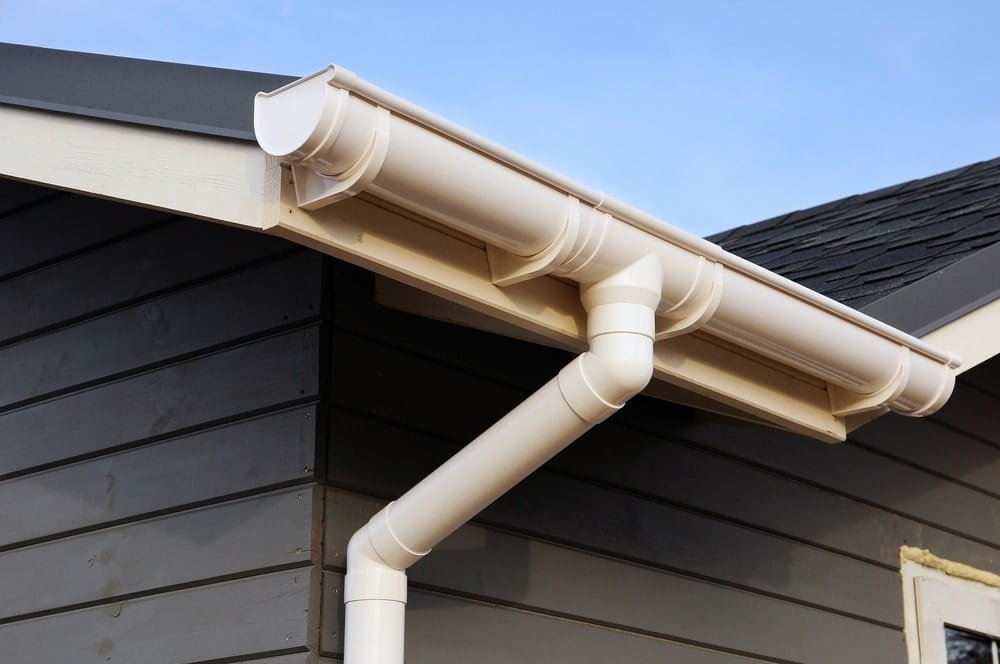
Replacing gutters can be an uncomplicated DIY job, or it can need professional support, depending upon the property owner’s skill level and security factors to consider. Here’s a detailed guide to gutter replacement:
Step 1: Gather Necessary Tools and Materials
List of tools and materials to have on hand:
- New gutters (select the type)
- Gutter wall mounts
- Screws and anchors
- Drill
- Ladder
- Security goggles
- Level
- Measuring tape
- Caulk
Action 2: Remove Old Gutters
- Carefully remove existing gutters from roof and fascia, making sure that no damage strikes nearby structures.
- Dispose of any particles and old gutters responsibly.
Action 3: Measure for New Gutters
- Properly measure the length of each side of the roof to guarantee the new gutters fit effectively.
Step 4: Install New Gutters
- Install the gutter wall mounts with a slight slope towards the downspouts.
- Secure the gutters in place, checking with a level to maintain the appropriate angle.
Step 5: Attach Downspouts
- Cut sections of downspout to length and secure them to the gutters and the wall of the home, ensuring they direct water far from the foundation.
Step 6: Test for Proper Function
- Run water through the gutters to ensure they are draining pipes correctly and look for leaks.
FAQs About Gutter Replacement
1. How often ought to gutters be replaced?Gutters can last between 20 to
50 years, depending upon material and maintenance. Routine assessments can assist evaluate when replacement is essential. 2. Can I change gutters myself?Yes, if you have
the right tools and feel comfy
working at heights. Nevertheless, working with professionals is suggested for safety factors and to make sure correct installation. 3. What happens if I do not change my gutters?Neglecting gutter replacement can lead to significant
water damage, mold development, and costly repairs to the home’s structure. 4. Are seamless gutters worth the investment?While they may cost more upfront, seamless gutters lower the risk of leaks and need
less maintenance, making them a worthwhile investment. 5. How do I keep my new gutters?Regular cleaning to get rid of debris, looking for clogs, and inspecting for damage after severe weather will extend the life of your gutters. Changing gutters is a vital aspect of home
maintenance that directly affects the durability and safety of the home. By recognizing the signs of wear, comprehending the kinds of gutters
readily available, and following the replacement process, homeowners can protect their home from water damage successfully. Provided the significance of correctly working gutters, prompt replacement can save homeowners substantial expenses and make sure a safe living environment.