

experienced-guttering6332
experienced-guttering6332
Guide To Commercial Gutters: The Intermediate Guide On Commercial Gutters
Understanding Commercial Gutters: Importance, Types, and Maintenance FAQs
When it comes to safeguarding commercial structures from the components, one crucial element is typically ignored: gutters. Commercial gutters may not be as attractive as other elements of a building’s design, however they play an important function in avoiding water damage, maintaining structural stability, and promoting a healthy environment. This post dives into the importance, types, and maintenance of commercial gutters, while likewise dealing with often asked concerns about their installation and maintenance.
The Importance of Commercial Gutters
-
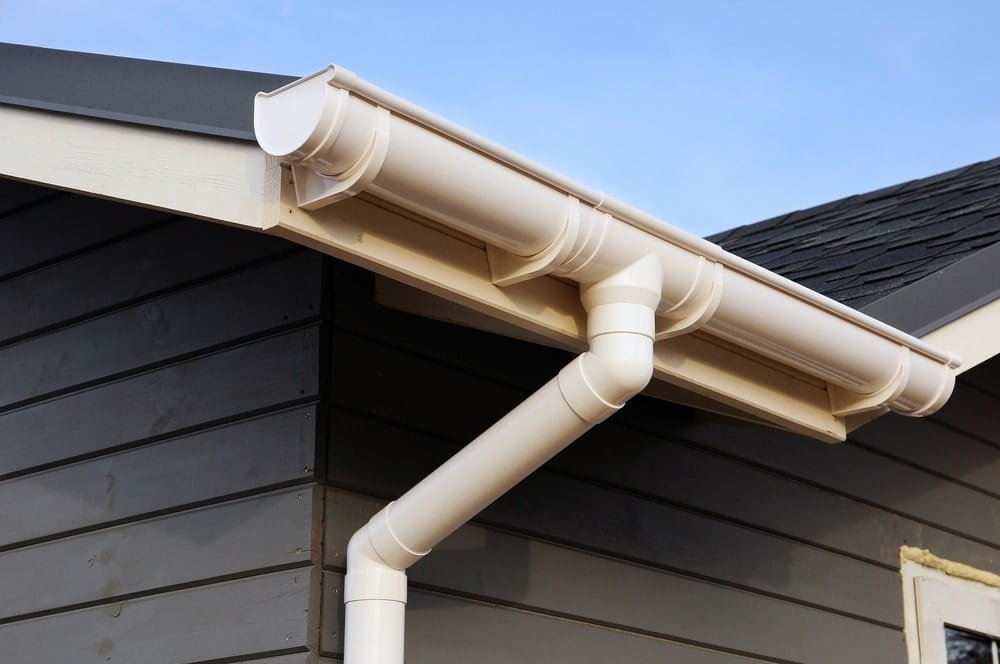
Water Management: The main purpose of gutters is to direct rainwater away from the building’s foundation. Without a reliable gutter system, water can pool around the base, causing flooding and structural damage.
-
Avoiding Erosion: Gutters secure the landscaping around a commercial residential or commercial property. By managing the circulation of water, they avoid soil disintegration, protecting not only the aesthetics however likewise the functionality of the landscaped areas.
-
Mold and Mildew Prevention: Standing water develops an environment favorable to mold and mildew growth, which can penetrate the structure. This can lead to serious health issues for occupants and might require costly removal.
-
Enhancing Durability: An effectively installed gutter system helps to extend the life of a commercial building by mitigating the wear and tear that excessive water can trigger to roofing systems and walls.
-
Insurance Benefits: Some insurance coverage may offer lower premiums for properties equipped with efficient drainage solutions, including gutters. This can lead to significant long-term savings for homeowner.
Kinds Of Commercial Gutters
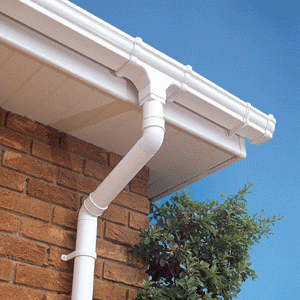
Selecting the ideal kind of gutter system is vital for optimizing water management in any commercial setting. Below are some typical types of commercial gutters:
| Type of Gutter | Description | Pros | Cons |
|---|---|---|---|
| K-Style Gutters | Flat bottom and formed like the letter “K.” | Large capability, aesthetics | Can be more difficult to clean up |
| Half-Round Gutters | Semi-circular shape. | Minimal debris buildup | Less volume capacity |
| Box Gutters | Rectangular or square gutters typically concealed in the roof. | High volume capacity | Expensive installation |
| Seamless Gutters | Constant lengths without any joints or joints. | Reduced leakage capacity | Requires professional installation |
| Conductors | Pipelines that transport water from the gutter to the ground or drain. | Important for proper drainage | Clogs can happen |
Elements to Consider When Choosing Gutters
When selecting gutters for a commercial structure, consider the list below elements:
- Roof Size and Pitch: Larger and steeper roofings might require systems with greater holding capacities.
- Climate: Areas vulnerable to heavy rains or snowfall might take advantage of more resilient systems.
- Aesthetic appeals: The style needs to match the building’s architecture.
- Maintenance Needs: Consider how easily the system can be kept.
Maintenance of Commercial Gutters
Regular maintenance of commercial gutters is critical for ensuring their longevity and effectiveness. Here are some preventive steps and maintenance suggestions:
Regular Cleaning
- Frequency: Clean gutters a minimum of twice a year, preferably in spring and fall.
- Particles Removal: Remove leaves, twigs, and any other particles that can obstruct drainage.
Evaluation
- Bi-Annual Checks: Inspect gutters for sagging, rusting, or damage.
- Analyze Seals: Ensure that seals are intact to prevent leaks.
Repairs
- Prompt Repairs: Address any leaks, cracks, or rust spots right away to prevent bigger issues down the roadway.
- Professional Services: Hiring professionals for repairs can conserve time and make sure premium work.
Downspouts Maintenance
- Clear Blockages: Check downspouts for blockages and clear them as required.
- Proper Positioning: Make sure downspouts direct water at least 3-4 feet away from the building’s structure.
Regularly Asked Questions (FAQs)
Q1: How frequently should I clean my commercial gutters?
A1: It is recommended to tidy gutters a minimum of two times a year. However, if your structure is surrounded by trees or experiences heavy storms, more regular cleaning may be necessary.
Q2: What are the signs that my gutters require replacing?
A2: Look for indications such as rust, cracks, sagging, or noticeable damage. If gutters are not directing water far from the structure effectively, it may be time for a replacement.
Q3: Can I install gutters myself, or should I hire a professional?
A3: While DIY installation is possible, hiring a professional ensures that the gutters are installed correctly, reducing the threat of leakages and other issues.
Q4: What’s the cost of setting up commercial gutters?
A4: The cost can vary extensively depending on products, constructing size, and installation complexities. Generally, commercial gutter installation can vary from ₤ 5 to ₤ 25 per direct foot.
Q5: What material is best for commercial gutters?
A5: Common materials consist of aluminum, copper, galvanized steel, and vinyl. The option depends on the structure’s design, expected life expectancy, and local climate conditions.
Q6: Will my service insurance coverage cover gutter maintenance?
A6: Some insurance coverage may cover water damage due to ignored gutters, although protection for regular maintenance may not be included. Constantly contact your insurance coverage supplier for specifics.
In conclusion, commercial gutters play a crucial function in securing structures from water damage, mold, and other structural concerns. Comprehending the kinds of gutters readily available, keeping them, and understanding common concerns surrounding their use can help homeowner make informed decisions. By focusing on an efficient gutter system, businesses can safeguard their investments and ensure a safe and healthy workplace.