

echte-banknoten-bestellen7681
echte-banknoten-bestellen7681
The Reasons Buy Counterfeit Money Discreetly Is More Difficult Than You Think
The Underbelly of Counterfeit Currency: Understanding Risks and Ethics of Buying Counterfeit Money Discreetly
In an age where financial deals can accompany a simple swipe of a finger, the undercurrent of illegal activity, especially counterfeit money, is a problem that can not be ignored. The act of buying counterfeit money, nevertheless discreetly, is engaging in unlawful activity that has far-reaching effects. This post looks into the temptation, techniques, and implications connected with acquiring counterfeit currency, stressing the ethical responsibility towards legality and authenticity.
Understanding the Allure of Counterfeit Currency
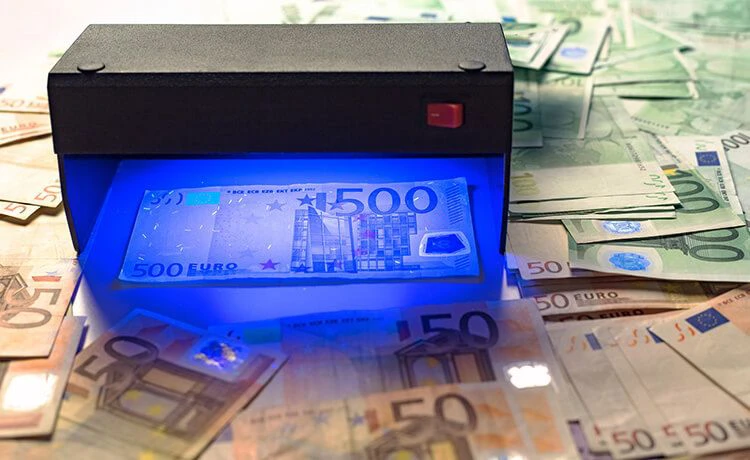
Counterfeit currency, or fake money, has actually constantly been an alluring prospect for those looking to engage in scams or look for a short-cut to wealth. The factors behind the interest in counterfeit money can vary:
-
Financial Instability: Individuals dealing with financial difficulty might consider counterfeit money as a quick option to their financial problems.
-
Consumerism: In a society driven by consumerism, the allure of getting items without legitimate monetary ways can be appealing.
-
Ignorance of Consequences: Some may underestimate the dangers and legal implications of possessing counterfeit money.
How Counterfeit Money is Purchased
The approaches by which counterfeit money can be discreetly obtained are various, however they frequently bring significant threats. Here are some common opportunities explored by people seeking to get counterfeit currency:
-
Dark Web markets: Online platforms operating in the dark web often host unlawful deals consisting of the sale of counterfeit money. While these might declare to supply privacy, users are susceptible to scams and police attention.
-
Street Vendors: In some city locations, individuals may encounter street sellers providing counterfeit costs. This approach entraps buyers in an environment filled with risk, as there is no assurance of quality or security.
-
Social Media Groups: Nowadays, closed groups on platforms like Facebook or Telegram provide networking spaces where counterfeit bills are discussed and offered. Again, these deals are fraught with risk in regards to legal implications.
-
Local Criminal Networks: Some individuals might turn to local criminal companies or gangs for counterfeit money, where trust is needed, heightening the risk of such deals.
The Risks Involved
While the desire for counterfeit money may originate from a viewed monetary benefit, the risks involved are significant and significant:
Legal Consequences
Engaging in the counterfeit currency market can result in extreme legal effects, ranging from heavy fines to imprisonment. The U.S. Secret Service, for example, has rigorous penalties for counterfeiting, geldfälschung kaufen (gitea.Dctpay.com) which includes possession, manufacturing, and distribution.
Financial Loss
Obtaining counterfeit money likewise comes with the potential for financial losses. Numerous dark web websites or street vendors promulgate scams, leaving purchasers with worthless bills and losing their money at the same time.
Social and Ethical Implications
The purchase and possession of counterfeit money bring social stigmas and ethical factors to consider. It waters down the integrity of socioeconomic systems, impacting honest individuals and companies alike.
Risk of Violence
Taking part in illicit deals, especially with unknown celebrations, can include violent encounters. Owing money to the wrong individuals or getting caught up in criminal activities can have hazardous repercussions.
Ethical Considerations
The decision to participate in the counterfeit currency market can substantially negatively impact society. Here are some ethical factors to consider to reflect on:
-
Consequences for Businesses: Counterfeit money expense organizations billions in losses every year. They frequently pass these costs onto consumers in the form of greater rates.
-
Influence On Criminal Justice: Investing resources in investigating and prosecuting counterfeiters diverts attention from other pushing social concerns.
-
Individual Integrity: Buying counterfeit money weakens individual integrity and the social contract of commerce.
Alternatives to Counterfeit Money
For those facing monetary hardships, there are legal and ethical alternatives to counterfeit currency that ought to be thought about:
-
Financial Counseling: Many companies provide totally free or inexpensive monetary counseling to help handle financial obligations and improve monetary literacy.
-
Community Resources: Local charities and social organizations typically supply support, whether in food, clothing, or other supports.
-
Freelancing Opportunities: Many online platforms permit people to monetize their skills and skills legally without the threats connected with counterfeit transactions.
Frequently asked questions
1. Is it illegal to have counterfeit money?
Yes, having counterfeit money is illegal and can cause extreme legal repercussions, including fines and imprisonment.
2. Can I inform if money is counterfeit?
Yes, U.S. currency has several security functions, including watermarks, color-shifting ink, and specialized paper. Acquainting oneself with these features can assist in discovering counterfeit expenses.
3. What should I do if I receive a counterfeit expense?
If you get a counterfeit bill, you ought to report it to regional law enforcement or the U.S. Secret Service immediately. It’s vital to not attempt to pass the note.
4. Why is counterfeiting bad for the economy?
Counterfeiting dilutes the worth of currency, impacts services’ profits, and necessitates increased enforcement efforts, all of which can result in higher prices for consumers.
While the temptation to buy counterfeit money discreetly may be appealing, the consequences far surpass the perceived advantages. Taking part in such practices positions significant legal, individual, and ethical risks, and endangers the integrity of society as a whole. People trying to find monetary relief are motivated to seek legitimate channels that appreciate both the law and individual integrity. Making ethical options not only improves one’s character however also guarantees a much healthier economy for everyone.