guttering-near-me3699
guttering-near-me3699
Guide To Downpipes: The Intermediate Guide In Downpipes
An In-Depth Look at Downpipes: Importance, Types, and Maintenance
Downpipes are critical components of a building’s drainage system. They play a crucial function in managing rainwater runoff, guaranteeing appropriate drainage, and maintaining the structural stability of a home. This post aims to offer a thorough overview of downpipes, including their types, installation, maintenance, and typical FAQs.
What are Downpipes?
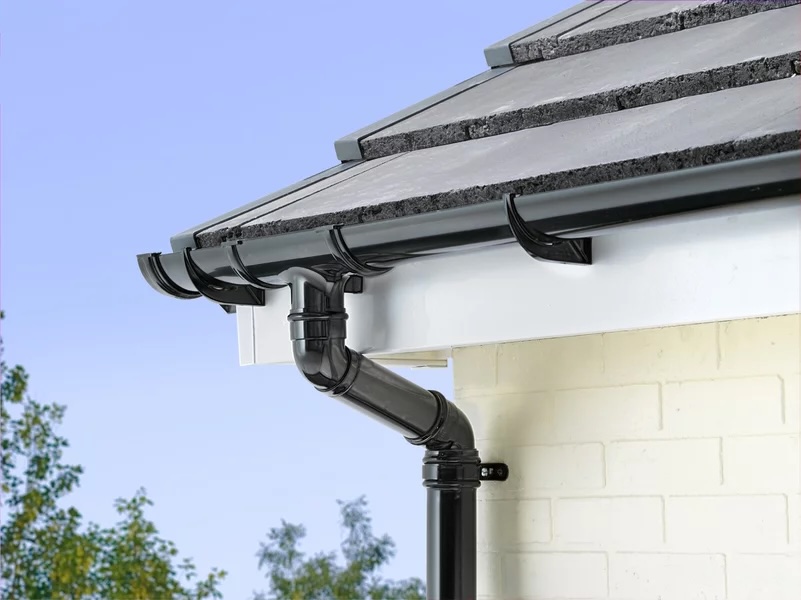
Downpipes, also referred to as downspouts, are vertical pipelines that direct rainwater from the roof to the ground or drainage system. They connect to the gutters, which gather rainwater from the roof’s surface area, directing the water far from the structure’s foundation. Properly installed and maintained downpipes prevent water damage, erosion, and other problems that can develop from bad drainage.
Importance of Downpipes
-
Water Management: Downpipes ensure that rainwater is directed away from the structure, preventing pooling and possible water damage to walls and foundations.
-
Structural Integrity: By helping with appropriate drainage, downpipes aid keep the structural stability of a building, lowering the risk of fractures and other forms of damage brought on by water seepage.
-
Avoiding Erosion: Downpipes assistance in avoiding erosion around a home, which can lead to landscaping damage and compromised foundation stability.
-
Health care: Effective water management minimizes the threat of mold and mildew, which flourish in moist conditions and can affect indoor air quality and health.
Kinds of Downpipes
Downpipes can be found in numerous materials and designs, each appropriate for various applications and aesthetics. Below are some common types of downpipes:
| Type | Material | Benefits | Drawbacks |
|---|---|---|---|
| PVC Downpipes | Polyvinyl Chloride | Light-weight, simple to install, resistant to deterioration | Can become brittle in time, may not stand up to impact |
| Aluminium Downpipes | Aluminium | Durable, lightweight, rust-resistant | Can be more costly than PVC, may damage easily |
| Steel Downpipes | Galvanized or Stainless Steel | Strong and durable, can hold up against heavy rains | Heavier, vulnerable to rust if not layered properly |
| Copper Downpipes | Copper | Aesthetic appeal, extremely durable, resists deterioration | Pricey, requires professional installation |
Elements to Consider When Choosing Downpipes
-
Material: Choose a material that fits your budget plan and aesthetic choices.
-
Size: Ensure the downpipe’s size refers the gutter’s capability to guarantee optimum flow.
-
Environment: Consider local weather condition conditions; for instance, locations with heavy rains may need bigger or strengthened downpipes.
-
Structure Design: The style of the structure and roof pitch might influence the type and size of downpipes needed.
Installation of Downpipes
Installing downpipes needs careful planning to guarantee that they effectively bring water far from the roof and away from the structure of a structure. Here’s a step-by-step summary of the installation procedure:
Installation Steps
-
Preparation: Assess the roof design and calculate the size and variety of downpipes required based upon the area and slope.
-
Material Acquisition: Gather all needed products and tools, consisting of downpipes, adapters, brackets, and sealant.
-
Positioning: Mark the places where the downpipes will be installed, guaranteeing they align with the gutters and drain water far from the foundation.
-
Cutting: Cut the downpipe to the required length, making sure a snug fit into the gutters.

-
Repairing: Secure the downpipe with brackets, ensuring it is vertical and well-supported.
-
Sealing: Apply sealant around joints and connections to prevent leaks.
-
Evaluating: After the installation, test the downpipes by running water through the system to make sure correct drainage.
Maintenance Tips for Downpipes
Regular maintenance of downpipes is important to ensure their durability and efficiency. Below are some essential maintenance suggestions:
Maintenance Checklist
-
Check Regularly: Check downpipes a minimum of two times a year for blockages, wear, and tear.
-
Clear Debris: Remove leaves, dirt, and other debris from downpipes and gutters to prevent obstructions.
-
Check for Leaks: Inspect joints and seals for any indications of water leakages and re-seal if needed.
-
Monitor Connections: Ensure that downpipes are safely connected to gutters and the drainage system.
-
Professional Cleaning: Consider working with professionals to clean or examine downpipes and gutters, especially in areas with heavy foliage.
Frequently asked questions About Downpipes
1. How typically should downpipes be cleaned?It is suggested to tidy downpipes and gutters a minimum of twice a year, preferably in spring and fall.
2. What are the signs that downpipes require maintenance?Look for overflowing gutters, pooling water around the foundation, or noticeable leakages and corrosion.
3. Can I install downpipes myself?While it is possible for DIY enthusiasts to install downpipes, it is suggested to hire a professional to ensure appropriate installation and compliance with local regulations.
4. What materials are best for downpipes in seaside locations?In coastal locations, corrosion-resistant products like PVC, aluminum, or stainless steel are chosen to withstand severe environmental conditions.
5. Can downpipes be painted?Yes, downpipes can be painted, but it is necessary to utilize paint that appropriates for the particular product to prevent damage and guarantee longevity.
Downpipes are essential for efficient rainwater management, securing both the building and its environments. Comprehending the various types, installation procedures, and maintenance requirements will make sure that homeowners can make educated decisions about their structure’s drainage system. By prioritizing downpipe maintenance and selecting the appropriate materials, home owners can extend the life of their drainage systems while safeguarding their investments.