

soffit-and-fascia-replacement0192
soffit-and-fascia-replacement0192
The Biggest Issue With Soffit Replacement, And How You Can Repair It
Affordable Soffit Replacement: A Comprehensive Guide
Soffits are a necessary part of any home’s outside structure, playing a critical role in preserving the roofing’s integrity and providing a completed aim to eaves. With time, soffits can become damaged due to wear, rot, or pest problem. While soffit replacement may seem like a difficult and expensive endeavor, this guide will assist property owners understand the procedure and check out affordable choices for soffit replacement.
What is Soffit and Why is it Important?
Soffits are the horizontal surface area that connects the exterior walls of a home to the underside of the roofing system’s overhang. They are not only visual components however serve crucial functional purposes, including:
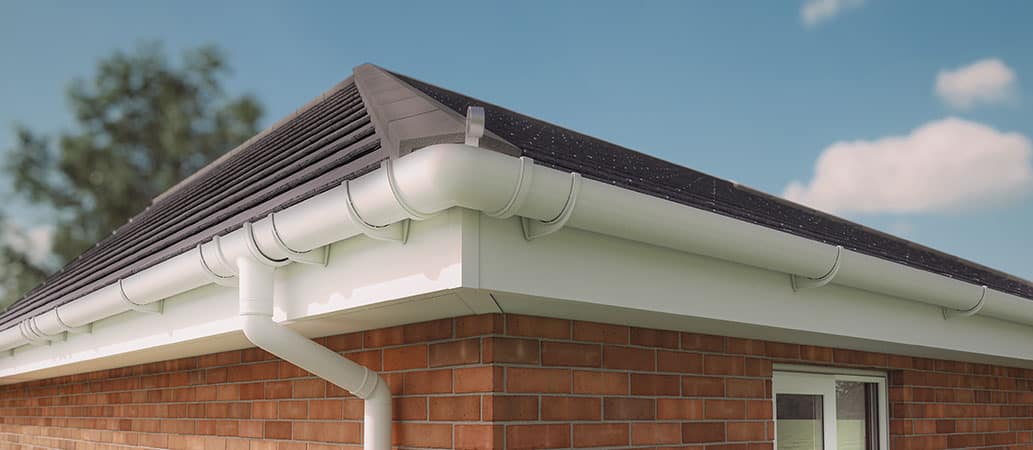
- Ventilation: Soffits provide air flow into the attic, assisting to control temperature and avoid wetness accumulation.
- Defense: They shield rafters from the components, avoiding water damage and decay.
- Pest Deterrence: Well-installed soffits can deter pests and other small animals from nesting in the eaves.
Signs You Need Soffit Replacement
Property owners need to always be on the lookout for signs of soffit damage, which can show the need for replacement:
- Visible Rot or Decay: Look for signs of wood rot or decay around the edges of your soffit.
- Bug Infestations: Finding bugs or nesting products can indicate a jeopardized soffit.
- Discoloration or Staining: Water spots typically signify underlying leakages or damage that requires attention.
- Peeling or Cracking Paint: Flaking paint can indicate wetness concerns or wood damage.
- Sagging Sections: If the soffit appears to sag, it might be stopping working structurally.
How to Approach Soffit Replacement Affordably
Affordable soffit replacement doesn’t imply jeopardizing on quality. House owners can consider the following techniques:
1. Assess Your Current Soffits
Before proceeding with replacement, evaluate whether an easy repair could extend the lifespan of existing soffits. Small damages such as little holes or surface rot can often be dealt with without total replacement.
2. Material Selection
Selecting the best product can significantly affect costs. Conventional wood soffits are frequently the most expensive due to labor and material expenses. Conversely, options such as vinyl or aluminum can be resilient and more economical.
| Product Type | Expense per Square Foot | Pros | Cons |
|---|---|---|---|
| Wood | ₤ 3 – ₤ 6 | Aesthetic appeal | Prone to rot |
| Vinyl | ₤ 2 – ₤ 4 | Low maintenance | Fading over time |
| Aluminum | ₤ 2 – ₤ 4 | Rust-resistant | Dents quickly |
| Fiber Cement | ₤ 3 – ₤ 5 | Sturdiness | Heavy to set up |
3. DIY vs. Hiring Professionals
Deciding whether to deal with the job as a DIY or employ specialists can drastically affect the budget plan:
- DIY Installation: This can conserve a considerable quantity in labor costs. Nevertheless, it requires tools, time, and a standard knowledge of construction.
- Hiring a Contractor: Professional installation ensures a quality surface however can cause higher overall costs. To keep expenses down, get multiple quotes and talk about materials that fit your budget.
4. Timing the Project
Timing can affect rates. Contractors frequently have slower seasons where they might use discount rates. Scheduling your soffit replacement throughout less busy times can yield cost savings.
5. Check Out Local Programs and Grants
Home enhancement grants or loans might be offered through city government programs focused on assisting with energy efficiency tasks. Research offered options in your location before starting your project.
Actions for Soffit Replacement
If the choice is made to replace soffits, here is a general summary of the steps included:
- Gather Necessary Tools and Materials: Ensure you have ladders, saws, nails, caulk, and the selected soffit material.
- Remove Old Soffits: Carefully detach old soffits, taking care to avoid damage to surrounding structures.
- Check Framework: Look for any indications of decay or damage in the structure beneath. Make repairs as needed.
- Measure and Cut New Soffits: Measure the location precisely and cut brand-new pieces to size.
- Set Up New Soffits: Secure the new soffit panels in place, guaranteeing they are aligned and correctly aerated where required.
- Paint (if appropriate): If utilizing wood or fiber cement, consider using a weatherproof sealant or paint for included protection.
Regularly Asked Questions (FAQs)
1. How frequently should soffits be replaced?
Soffits can last between 20-30 years depending upon material and ecological exposure. Routine inspections can help identify the need for replacement.
2. Can I replace soffits without removing the rain gutters?
Yes, soffit replacement can typically be done without removing gutters if enough care is taken. However, it’s best to speak with a professional for intricate scenarios.
3. What are the cost distinctions in between products?
Wood is normally the most expensive, while vinyl and aluminum are more budget-friendly options. Fiber cement falls in between.
4. Is soffit replacement a DIY project?
While possible as a DIY project, it’s essential to have the right tools and abilities. Consultation with experts is recommended for an ideal finish.
5. How can I preserve new soffits?
Regular cleaning and evaluations for signs of damage can assist extend the life of newly changed soffits, regardless of product type.
Affordable soffit replacement is possible through notified choices about materials, cautious planning, and an assessment of whether to DIY or work with a professional. By understanding the signs of damage, examining product alternatives, and following a methodical replacement process, homeowners can secure their financial investments and guarantee their homes remain both practical and aesthetically enticing.